A carved wooden temple in Kathmandu style on the Ganga — and now the riverside gateway of the Kashi Vishwanath Corridor.
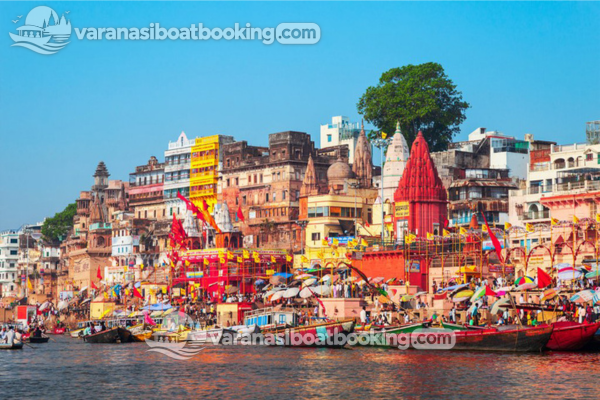
Lalita Ghat, between Dashashwamedh and Manikarnika, is home to the Nepali Temple, known locally as the Kathwala (wooden) Mandir and formally as Shri Samrajeshwar Pashupatinath Mahadev. It was built to mirror Nepal's great Pashupatinath shrine, giving Varanasi a corner of Kathmandu on the Ganga.
The temple began with a king far from home. Rana Bahadur Shah of Nepal spent several years in Varanasi in the early 1800s and wished to recreate his kingdom's holiest shrine, Pashupatinath, on the Ganga. The project outlived him; his successors carried it on, and it was finished in 1843. Look closely and you'll see dark timber carved in the classic Newar style of the Kathmandu valley.
Lalita Ghat gained new importance in 2021, when the Kashi Vishwanath Corridor opened a wide, direct path from these steps up to the temple. See our Kashi Vishwanath guide.
Lalita Ghat is on every ride between Dashashwamedh and Manikarnika Ghat. Look for the pagoda-style wooden temple above the steps.
Last updated: 8 October 2026 · All Varanasi guides